
Single phase
We commonly discuss 7 kW AC charging for single-phase Perth homes. We confirm the property’s supply and circuit design before installation.
We look beyond the charger nameplate: phase supply, car acceptance rate, switchboard capacity, solar surplus and the household loads running while you charge.
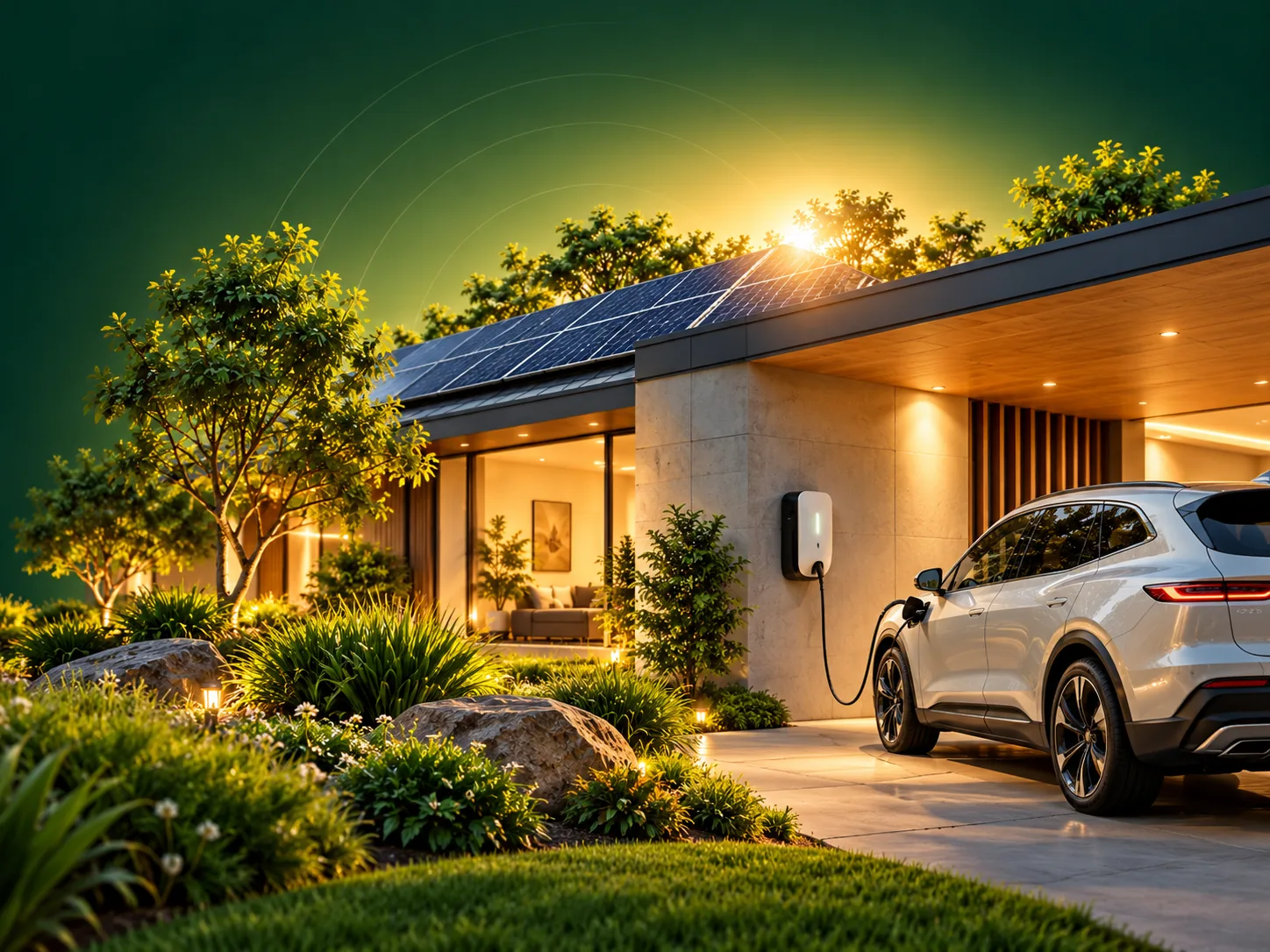
The actual charging rate depends on your supply, the vehicle’s onboard AC charger, installation and load management.
We commonly discuss 7 kW AC charging for single-phase Perth homes. We confirm the property’s supply and circuit design before installation.
A 22 kW three-phase charger may be suitable where the supply and vehicle support it. It does not guarantee the car will accept 22 kW AC.
A charger can respond to solar surplus when monitoring and controls are compatible. Small surplus and export settings can limit solar-only charging.
Ducted aircon, induction cooking, battery charging and EV charging compete for available power. Dynamic control can be important.
We explained two honest approaches to a single-phase homeowner: stagger big household loads and EV charging, or charge as usual and accept grid import whenever combined demand exceeds solar generation.
For simultaneous daytime household use and EV charging, we discussed a larger 10–13 kW solar array paired with an appropriately sized inverter—subject to roof and network conditions.
This was tailored advice to one household, not a default specification for every EV owner.
If panels are producing 5 kW but the house is already using 3 kW, only about 2 kW is left for the EV before other system constraints.
Use surplus PV generation when it is available. Minimum start currents, phase switching, export limits, CT installation and charger software all affect real operation.
Charge at chosen times, such as daytime solar windows or an eligible tariff period, rather than assuming every hour is solar-powered.
Use both sources for flexibility when you need the car ready. We explain where your grid consumption comes from instead of promising free charging.
Final compatibility and price depend on exact model, phase supply and installation.
Often considered where solar priority and surplus-based charging control are central.
A natural comparison when the household already has a GoodWe inverter and battery ecosystem.
EV charging considered alongside the SigenStor battery and app experience.
We assess the charger requirements, electrical supply and available control modes—not just the car badge.
A typical 22 kW AC charger is intended for three-phase connection. We assess a suitable single-phase alternative and the property’s electrical capacity.
No. It depends on enough available surplus, the minimum charging current, your inverter/export settings and monitoring integration. We will explain those limitations.
It can contribute energy depending on how the system is configured. We discuss whether you want to reserve battery energy for the house rather than unintentionally discharge it into the car.
Not always. We review the board, supply phases, spare ways, protective devices and any load-management requirement before quoting.
Tell us your EV model, power phase, existing solar and preferred charging habits. We will advise the workable charger options.